
 Investing
Index Funds Explained — Why Warren Buffett Recommends Them
Learn how index funds work, why fees and diversification matter, and what Warren Buffett has said about low-cost passive investing — without hype or return promises.
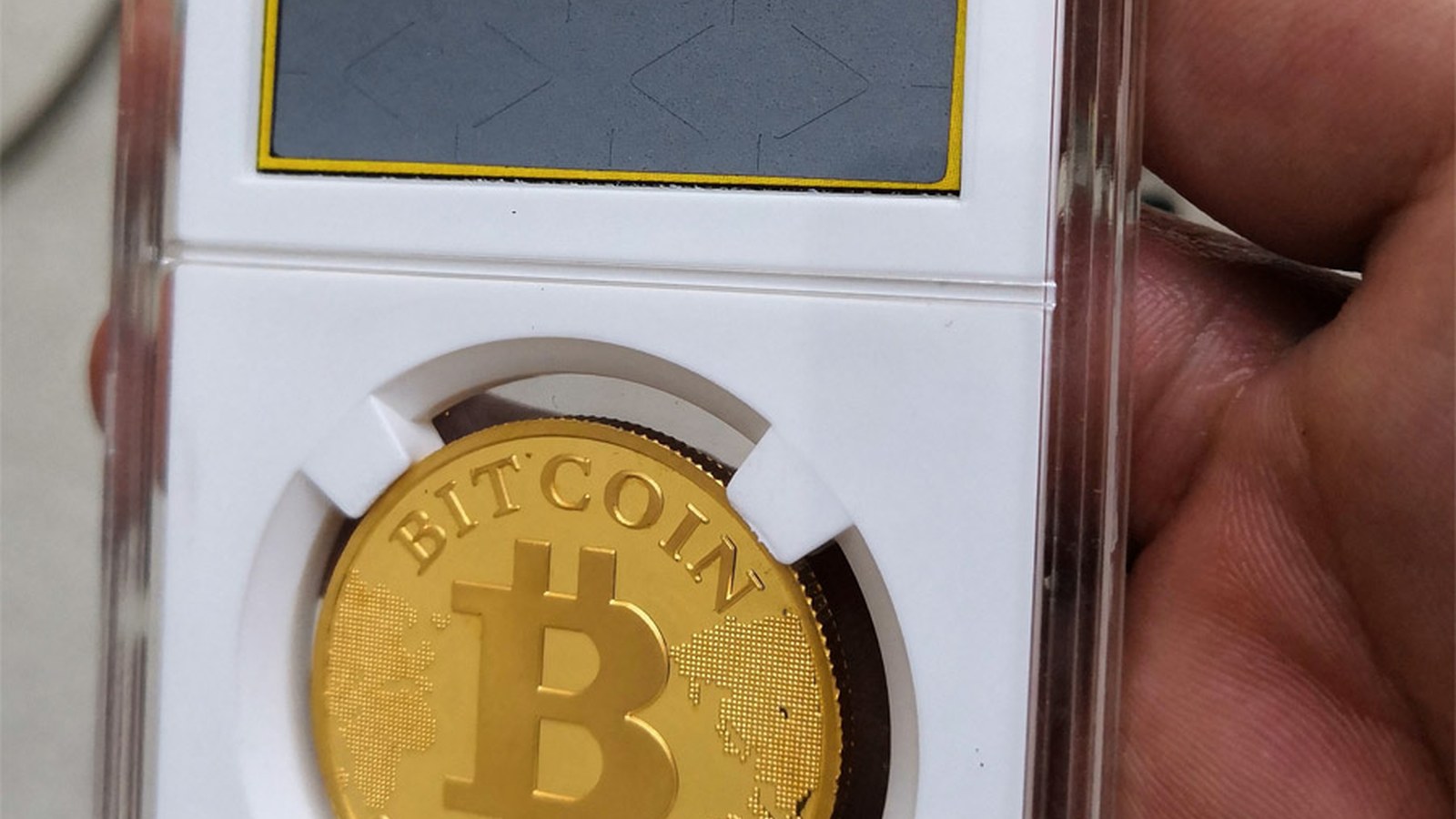
Cryptocurrency has moved from a niche technology experiment to a topic of everyday financial conversation. Bitcoin, Ethereum, and thousands of other digital assets are traded globally around the clock. In Norway, regulators have established frameworks for supervising crypto service providers, and tax authorities require reporting of crypto holdings and transactions.
This article explains how cryptocurrency is regulated in Norway, what Finanstilsynet — the Financial Supervisory Authority of Norway — says about consumer risks, and what tax reporting obligations apply. It is purely educational. It does not recommend any exchange, platform, or investment strategy, and it makes no claims about potential returns or income from crypto assets.
Cryptocurrency refers to digital assets that typically use blockchain or distributed ledger technology to record transactions. Unlike traditional currency issued by central banks (such as the Norwegian krone), most cryptocurrencies are decentralised — no single authority controls the network.
Common categories include:
Cryptocurrencies are highly volatile. Prices can rise or fall sharply in short periods. Regulatory treatment, technology risks, and market sentiment all contribute to this volatility. Finanstilsynet has repeatedly warned that consumers may lose all invested capital.
Norway does not treat cryptocurrency as legal tender. The Norwegian krone, issued by Norges Bank, remains the official currency. Crypto assets are classified as assets — similar to commodities or financial instruments — for regulatory and tax purposes.
Finanstilsynet supervises financial markets in Norway. Its responsibilities related to crypto include:
Finanstilsynet does not guarantee the safety of crypto investments. Registration means a provider meets regulatory requirements — it is not an endorsement of the assets traded or a promise of returns.
The Markets in Crypto-Assets Regulation (MiCA) creates a harmonised EU framework for crypto asset services. Norway implements EU financial regulations through the EEA agreement. MiCA covers:
For Norwegian consumers, MiCA means that providers serving the Norwegian market should be registered and subject to supervisory oversight. However, enforcement against unregistered foreign platforms remains a challenge, and consumers who use unregulated services may have limited recourse if something goes wrong.
Finanstilsynet has issued multiple warnings about cryptocurrency. Key themes include:
Crypto prices are extremely volatile. Finanstilsynet emphasises that consumers should only invest money they can afford to lose entirely. Unlike bank deposits, crypto holdings are not covered by the Norwegian Banks' Guarantee Fund.
The crypto space attracts fraudulent schemes — fake exchanges, phishing attacks, pump-and-dump schemes, and impersonation of legitimate services. Finanstilsynet advises consumers to verify that a service provider is registered and to be sceptical of promises of guaranteed returns.
Traditional securities markets in Norway offer protections through prospectus requirements, conduct rules, and compensation schemes. Most crypto assets fall outside these protections. If a platform fails, is hacked, or turns out to be fraudulent, recovery of funds may be impossible.
Self-custody of crypto (holding your own private keys) carries risks of permanent loss if keys are lost or stolen. Custodial services introduce counterparty risk — you depend on the provider's security and solvency.
Finanstilsynet's consistent message: understand what you are buying, understand the risks, and do not invest based on hype or social media promotion.
In Norway, cryptocurrency is treated as an asset for tax purposes. Skatteetaten requires taxpayers to report crypto holdings and transactions.
Crypto assets held as of 31 December each year must be reported at fair market value in your tax return. This applies regardless of whether you purchased, mined, or received crypto as payment. Failure to report can result in back taxes, interest, and penalties.
When you sell, exchange, or spend cryptocurrency, any gain or loss relative to your acquisition cost is generally taxable. This includes:
Skatteetaten expects taxpayers to maintain records of acquisition dates, amounts, and prices. Some exchanges provide transaction history, but the responsibility for accurate reporting rests with the individual.
Income from mining or staking crypto may be taxable as ordinary income at the time it is received, with subsequent gains or losses taxed on disposal. Tax treatment depends on the specific activity and circumstances. Consult Skatteetaten's guidance or a qualified tax advisor for complex situations.
Skatteetaten has increased focus on crypto tax compliance. Some platforms report customer data to tax authorities. The annual tax return includes specific fields for virtual currency assets. Even if your exchange does not report on your behalf, you are obligated to declare holdings and transactions accurately.
| Aspect | Traditional securities (funds, shares) | Cryptocurrency |
|---|---|---|
| Regulator | Finanstilsynet | Finanstilsynet (service providers) |
| Investor compensation | Limited schemes for certain products | No deposit or investor guarantee |
| Prospectus requirements | Yes, for public offerings | Generally no for most tokens |
| Tax reporting | Required (partially automated) | Required (primarily self-reported) |
| AML/KYC on platforms | Yes | Yes, for registered providers |
| Volatility | Varies by asset | Typically very high |
This table illustrates structural differences, not a recommendation to prefer one category over another.
Norges Bank is researching a potential central bank digital currency (CBDC) — a digital form of the Norwegian krone. A CBDC would differ fundamentally from cryptocurrencies like Bitcoin: it would be issued and backed by the central bank, not decentralised.
As of early 2025, no CBDC has been launched in Norway. Norges Bank's research is ongoing. A CBDC would not replace the need to understand existing crypto regulation, but it could eventually offer a regulated digital payment alternative.
If you hold or are considering holding cryptocurrency, these non-promotional considerations apply:
This list is informational. It is not a guide to buying, selling, or holding any specific asset.
Norwegian authorities approach crypto within a wider European regulatory framework. The EU's MiCA regulation, anti-money laundering directives, and ongoing work on digital finance shape the environment in which Norwegian consumers interact with crypto services.
SSB statistics on household finances show that crypto ownership in Norway remains a minority activity compared to traditional savings and investments. Regulatory focus is on protecting consumers, ensuring AML compliance, and integrating crypto into the existing tax system — not on promoting crypto as an investment class.
Yes. Owning, buying, and selling cryptocurrency is legal in Norway. However, service providers must comply with registration and AML requirements, and taxpayers must report holdings and transactions to Skatteetaten.
No. Finanstilsynet warns consumers about the high risk of loss, fraud, and lack of investor protection. Registration of a service provider is a regulatory requirement, not an investment recommendation.
Yes. Crypto is treated as an asset. Holdings are subject to wealth tax reporting, and gains on disposal are generally taxable. Consult Skatteetaten for current rules and reporting requirements.
No. The Norwegian Banks' Guarantee Fund covers bank deposits, not cryptocurrency held on exchanges or in private wallets. If a platform fails or is hacked, you may lose your entire holding.
MiCA (Markets in Crypto-Assets Regulation) is an EU regulation for crypto asset services. Norway implements it through the EEA agreement. Crypto service providers serving Norwegian customers must register with Finanstilsynet and meet MiCA-related requirements.
Losses on the disposal of crypto assets may be deductible against gains, subject to Skatteetaten's rules on capital losses. Verify current deduction rules and documentation requirements before filing.
Last updated: March 2025. Cryptocurrency regulation and tax rules evolve rapidly. Verify all information with official sources before making financial decisions.
Investing
Learn how index funds work, why fees and diversification matter, and what Warren Buffett has said about low-cost passive investing — without hype or return promises.
 Investing
Learn how Norway's aksjesparekonto works — tax deferral, eligible assets, withdrawals, and comparison with ordinary brokerage and fondskonto.
 Investing
An educational guide to the Government Pension Fund Global — Norway's sovereign wealth fund managed by Norges Bank Investment Management — covering its purpose, strategy, and ethical guidelines.